
SUICIDE PREVENTION
Suicide prevention starts with connection, compassion, and access to support. Whether you are concerned about yourself, supporting a loved one, or looking to learn more, this resource hub provides information on warning signs, safety planning, crisis resources, and mental health care options. Help is available, recovery is possible, and no one has to navigate difficult moments alone.

You Are Not Alone
Suicidal thoughts can affect people of all ages, backgrounds, and life circumstances. Many people who experience thoughts of suicide do not want to die. Instead, they are often trying to find relief from overwhelming emotional pain, hopelessness, or distress.
Recovery is possible, and support is available. Whether you are looking for help for yourself, supporting a loved one, or learning how to recognize warning signs, we hope these resources help you take the next step.
If you or someone else is in crisis, call or text 988, or go to the nearest emergency room.
If you are not in crisis but are looking for care, visit our Affordable Therapy Program or Find Care page.
UNDERSTANDING SUICIDE
Suicide Prevention Matters
There is no single cause of suicide. Suicide risk often develops when multiple stressors and challenges come together, creating feelings of hopelessness, isolation, or overwhelming emotional pain. Mental health conditions, major life transitions, trauma, relationship difficulties, financial stress, and barriers to care can all contribute to risk.
Important Facts
-
Many people who experience suicidal thoughts recover with support and treatment.
-
Most people who die by suicide show warning signs beforehand.
-
Talking openly about suicide does not increase someone's risk. Asking directly can help someone feel seen, heard, and supported.
-
Access to mental health care, strong social connections, and supportive relationships are protective factors that can reduce suicide risk.
WARNING SIGNS
What To Watch For
Pay particular attention to new, increasing, or concerning changes in behavior, especially following a significant loss, stressful event, or major life transition.
What Someone May Say
-
"I don't want to be here anymore."
-
"Everyone would be better off without me."
-
"I can't do this anymore."
-
"Nothing matters."
-
"I feel trapped."
-
"I just want the pain to stop."
Changes In Behavior
-
Withdrawing from friends, family, teammates, or activities
-
Increased alcohol or substance use
-
Giving away important possessions
-
Searching online for ways to die
-
Acquiring medications, weapons, or other means
-
Increased anger, irritability, or reckless behavior
-
Significant changes in sleep patterns
-
Sudden calmness or relief after a period of severe distress
Risk Factors
-
Recent breakup or loss of a relationship
-
Death of a loved one
-
Academic, athletic, or career setbacks
-
Financial difficulties
-
Serious illness or chronic pain
-
Exposure to trauma
-
Feeling isolated or disconnected
-
Fear of becoming a burden
-
Previous suicide attempts
-
Barriers to accessing mental health care
HOW TO HELP A LOVED ONE
Start The Conversation
You do not need to be a mental health professional to support someone. One caring conversation can make a difference.
What To Do
-
Talk to them privately.
-
Listen without judgment.
-
Let them know you care.
-
Stay calm and compassionate.
-
Take their concerns seriously.
-
Encourage professional support.
-
Follow up after the conversation.
Ask Directly
Research shows that asking someone directly about suicide does not increase risk. It can help create space for an honest conversation.
Examples:
-
"I've noticed you've been struggling lately. Have you been thinking about suicide?"
-
"You seem to be carrying a lot right now. Have you had thoughts of hurting yourself?"
-
"I'm concerned about you and want to help. Have you been having thoughts of ending your life?"
If Someone Says Yes
-
Take them seriously.
-
Stay with them if possible.
-
Help remove access to dangerous items.
-
Contact a crisis line together.
-
Help them connect with a trusted family member, therapist, healthcare provider, coach, professor, or mentor.
-
Seek emergency support if there is immediate danger.
Remember
-
You are not expected to handle this alone.
-
You should not keep suicidal thoughts a secret if someone's safety is at risk.
-
Your role is to help connect the person with appropriate support.
HOW TO CREATE A SAFETY PLAN
What Is A Safety Plan?
A safety plan is a personalized, practical plan that helps someone stay safe during periods of distress or suicidal thoughts. Safety plans work best when created before a crisis occurs and can be developed with a therapist, healthcare provider, trusted friend, or family member.
Step 1: Identify Warning Signs
-
Thoughts, emotions, situations, or behaviors that signal you are struggling
-
Triggers that may increase distress
-
Early signs that additional support is needed
Step 2: Identify Coping Strategies
-
Walking or exercising
-
Listening to music
-
Journaling
-
Deep breathing
-
Spending time outdoors
-
Activities that help reduce distress and create a sense of calm
Step 3: Identify Supportive People And Places
-
Friends
-
Family members
-
Coaches
-
Teammates
-
Community spaces where you feel safe and connected
Step 4: Identify People To Contact For Help
-
Therapist
-
Counsellor
-
Doctor
-
Family member
-
Crisis line
-
Trusted mentor or support person
Step 5: Make Your Environment Safer
-
Remove or secure medications
-
Reduce access to weapons or other lethal means
-
Stay with trusted people during periods of increased risk
-
Relocate to a safer environment if needed
Step 6: Create A Follow Up Plan
-
Schedule a therapy appointment
-
Arrange a check in with a trusted person
-
Make a plan for the next 24 to 48 hours
-
Identify reasons for living and sources of hope that can help during difficult moments
CRISIS RESOURCES
Immediate Support
If there is an immediate risk to life, call 911 or go to your nearest emergency room.
9-8-8 Suicide Crisis Helpline
-
Call or text 988
-
Available 24 hours a day, 7 days a week
Additional Support
-
Campus counselling centres
-
Mental health urgent care centres
-
Emergency departments
-
Family physicians
-
Licensed therapists and counsellors
MENTAL HEALTH CARE
Therapy
Therapy can help individuals experiencing depression, anxiety, trauma, grief, life transitions, suicidal thoughts, or other mental health challenges.
Resilience Rally an affordable therapy program with BetterHelp where you can start therapy for free and receive discounted care for the duration that you need it.
Psychology Today is one of the largest online therapist directories, helping individuals connect with licensed therapists, psychologists, counsellors, psychiatrists, treatment centers, and support groups. Users can search by location, insurance provider, specialty, therapy approach, identity, cost, and appointment availability, making it easier to find a provider who meets their needs. The directory includes both virtual and in person care options and can be a helpful starting point for anyone looking to access mental health support.
Sol Health provides affordable virtual therapy designed specifically for young adults navigating life's transitions. Whether you're adjusting to college, starting a new career, exploring your identity, or managing stress and anxiety, their therapists offer personalized support at an accessible cost, with sessions starting at $30.
Grow Therapy helps individuals connect with licensed therapists and psychiatric providers for virtual and in person mental health care. The platform allows users to search for providers based on insurance, location, specialty, and treatment needs, making it easier to find the right fit while reducing barriers to care.
Intensive Outpatient Programs (IOP)
Intensive Outpatient Programs provide a higher level of support than traditional weekly therapy while allowing individuals to continue living at home.
A great place to start is Charlie Health, a virtual IOP that takes insurance.
Programs may include:
-
Individual therapy
-
Group therapy
-
Psychiatric support
-
Medication management
-
Safety planning
-
Skills for coping and emotional regulation
-
An IOP may be helpful when weekly therapy is not providing enough support, but hospitalization is not required.
Virtual Support Groups
Support groups can help reduce isolation by connecting you with people who understand what you're experiencing. Whether you're struggling with your mental health, supporting a loved one, recovering from a suicide attempt, or grieving the loss of someone to suicide, there are virtual communities available to help.
American Foundation for Suicide Prevention (AFSP)
AFSP maintains a directory of virtual and in person support groups for suicide loss survivors across North America and internationally. They also offer Healing Conversations, a free peer support program that connects suicide loss survivors with trained volunteers who have experienced a similar loss.
An online community for people who have lost a loved one to suicide. Alliance of Hope offers moderated support forums, educational resources, and peer connection available 24/7.
NAMI Connection Support Groups
Free peer led virtual support groups for individuals living with mental health conditions. Groups provide a safe and supportive environment to share experiences, build coping skills, and connect with others facing similar challenges.
Free virtual support groups for family members, partners, and friends supporting someone with a mental health condition. These groups provide education, encouragement, and community for caregivers and loved ones.
Depression and Bipolar Support Alliance (DBSA)
DBSA offers free online peer support groups for people living with depression, bipolar disorder, and other mood related challenges. Friends and family members can also find support through DBSA communities.
A peer support community for individuals experiencing suicidal thoughts or those recovering from suicidal crises. Meetings are available online and focus on connection, support, and hope.
Mental Health America Online Community
A free online peer support platform where individuals can discuss mental health challenges, share experiences, and connect with others in a moderated environment.
WANT US to personally connect
you with resources?
Email us at info@resiliencerally.com.


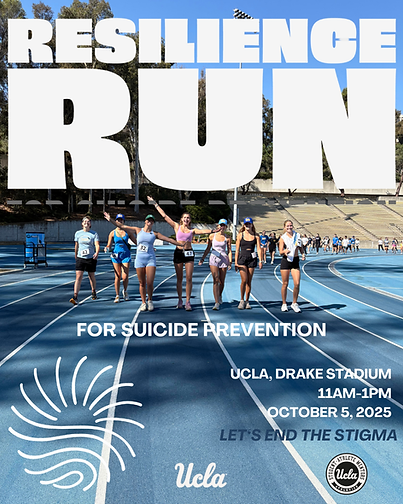
TORONTO RESILIENCE RUN
Join us at Coronation Park at 10am on Saturday, September 20th for our annual Resilience Run/Walk for suicide prevention!
Coronation Dog Park, Toronto, ON


RESILIENCE RALLY T-SHIRTS
We encourage everyone participating in our online or in person Resilience Rally events to wear our custom t-shirts! 100% of the proceeds go towards mental health care.
TORONTO RESILIENCE RUN
Join us at Coronation Park at 10am on Saturday, September 20th for our annual Resilience Run/Walk for suicide prevention!
Coronation Dog Park, Toronto, ON
RESILIENCE RALLY T-SHIRTS
We encourage everyone participating in our online or in person Resilience Rally events to wear our custom t-shirts! 100% of the proceeds go towards mental health care.